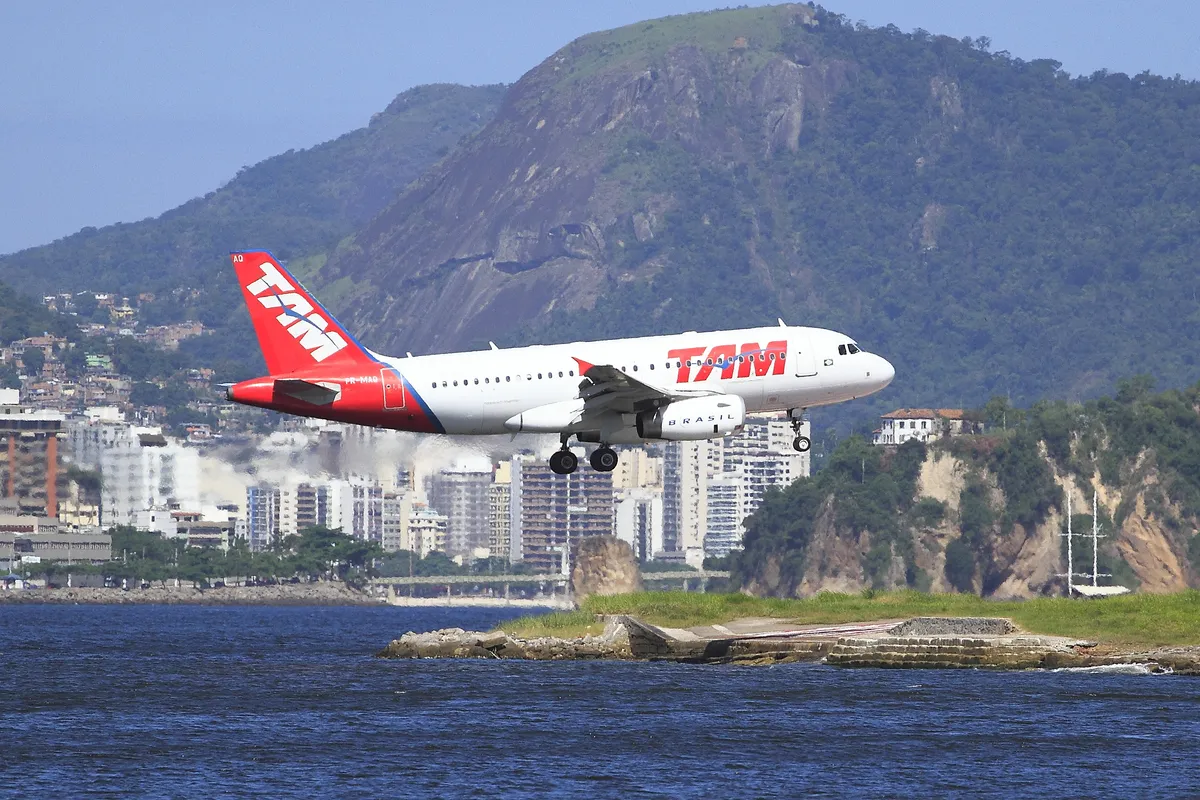
Explore Brazil
Beyond the Stadiums: Where to Go in Brazil Before or After the World Cup
Quick answer
The easiest trips to add to the 2027 Women's World Cup are the ones near a host city: Búzios and Paraty from Rio, Gramado from Porto Alegre, João Pessoa from Recife, and Chapada Diamantina or Porto Seguro from Salvador. Farther destinations, such as Jericoacoara, the Lençóis Maranhenses, Fernando de Noronha, Iguaçu Falls, the Pantanal and the Amazon, need a flight and extra days. June and July are dry in some of them and wet in others.
On this page
- Which destinations are closest to each host city?
- What is the weather like in June and July at these destinations?
- What can you do on a short trip from a host city?
- What can you add from Salvador?
- Which trips need a flight and a few extra days?
- What should you check before you book?
- What will be updated?
- FAQ
- Sources
Most fans who fly to Brazil for the World Cup will see two or three matches and go home. The country around the stadiums is the part they never see: dunes with lagoons between them, a mountain park with a waterfall so high that the water never hits the ground, an island chain with a visitor cap, the Amazon.
I live in Salvador, one of the eight host cities, so I know how a host city looks from the inside: the beach, the stadium and a whole region within reach. This guide is a map. It matches each destination to the nearest host city, says what getting there takes, and shows the June and July weather. Dates, stadiums and the bracket are in the 2027 Women's World Cup schedule. This site is independent and not affiliated with FIFA.
Which destinations are closest to each host city?
These are thirteen entries, the destinations I expect fans to ask about most, each matched to the closest host city, listed A to Z by host city with the closest destination first. The distances are straight lines from the center of the host city, so the real trip is longer.
| Host city | Destination | Straight line | Getting there |
|---|---|---|---|
| Brasília | Pantanal (via Cuiabá or Campo Grande) | Cuiabá, 547 mi (880 km); Campo Grande is 554 mi (892 km) from São Paulo | Fly to the state capitals, Cuiabá (Mato Grosso) or Campo Grande (Mato Grosso do Sul), and go on from there |
| Brasília | Manaus (the Amazon) | 1,203 mi (1,937 km); from Fortaleza, 1,483 mi (2,387 km) | By plane or by boat: Wikipedia says the vast majority of transport to and from Manaus is by one or the other |
| Fortaleza | Jericoacoara | 151 mi (244 km) | About 300 km by road. Wikivoyage lists about five hours by 4x4 transfer and six or more by shuttle or bus. Its own airport opened in 2017 |
| Fortaleza | Lençóis Maranhenses (Barreirinhas) | 304 mi (489 km) | Barreirinhas is the base town. Wikivoyage says to come by bus from São Luís, or from Fortaleza, and lists about seven hours by 4x4 from Jericoacoara |
| Porto Alegre | Gramado and Canela | 50 mi (80 km) | Canela Airport is 8 km from Gramado |
| Porto Alegre | Garopaba (Santa Catarina coast) | 209 mi (337 km) | Florianópolis is closer to Garopaba, at 30 mi (49 km), and is the usual gateway to this coast |
| Porto Alegre | Foz do Iguaçu | 374 mi (602 km); from São Paulo, 518 mi (833 km) | Has its own international airport, Foz do Iguaçu/Cataratas |
| Recife | João Pessoa and Ponta do Seixas | 64 mi (104 km) | By road. The city has its own airport, Presidente Castro Pinto |
| Recife | Fernando de Noronha | 335 mi (540 km) | Daily flights from Recife and Natal. Wikivoyage lists 1 h 40 min from Recife |
| Rio de Janeiro | Búzios | 83 mi (134 km) | By road. Wikipedia puts the drive at about three hours, depending on traffic |
| Rio de Janeiro | Paraty and Ilha Grande | 100 mi (161 km) | By road. Wikipedia lists Paraty at 236 to 258 km from Rio |
| Salvador | Chapada Diamantina (Lençóis) | 197 mi (317 km) | About 420 km by road: a bus of about seven hours, or six to seven hours by car. Azul flies to Lençóis, but not every day |
| Salvador | Porto Seguro | 243 mi (391 km) | Has its own airport, which Wikipedia calls well connected with the major Brazilian cities. Check current routes from Salvador |
Destinations to add to a World Cup trip, listed A to Z by nearest host city, closest destination first. Straight-line distances are our calculation from the center of each city; roads are longer. Access details are as read on the pages listed in Sources on Oct. 27, 2026. Prices and schedules change, so confirm them before you book.
Two things stand out. Only Gramado, João Pessoa, Búzios and Paraty are within about 100 miles of a host city, so they are the only ones I would call a short trip. And two of the biggest names, the Amazon and the Pantanal, are far from every host city: Manaus is more than 1,200 miles from the nearest one. They are trips of their own, not add-ons.
What is the weather like in June and July at these destinations?
The World Cup is in the Brazilian winter, and the same two months mean heat and rain in one place and frost in another. The table has the numbers I could read for six of the destinations. For the eight host cities, see the weather table in our travel guide.
| Destination | June daytime high | June night low | Rain (June / July) |
|---|---|---|---|
| Manaus | 31.9 °C (89 °F) | 23.8 °C (75 °F) | 117 / 67 mm |
| João Pessoa | 29.2 °C (85 °F) | 22.3 °C (72 °F) | 369 / 285 mm |
| Fernando de Noronha | 28.7 °C (84 °F) | 24.2 °C (76 °F) | 190 / 122 mm |
| Porto Seguro | 26 °C (79 °F) | 19 °C (66 °F) | 151 / 176 mm |
| Foz do Iguaçu | 23.1 °C (74 °F) | 10.4 °C (51 °F) | 138 / 84 mm |
| Gramado | 16.7 °C (62 °F) | 7.7 °C (46 °F) | 175 / 163 mm |
June weather and rain at six destinations, as listed on each destination's Wikipedia page, read Oct. 27, 2026. João Pessoa, Gramado, Manaus and Foz do Iguaçu: climate tables for the town. Porto Seguro: the Weather to Travel chart used there. Fernando de Noronha: 1961-1990 averages, the only ones on the page. Fahrenheit is our conversion. Rain is the monthly total, June / July.
What the numbers say:
- The Northeast coast is warm and wet. João Pessoa has June as its wettest month, and Fernando de Noronha's rainy season runs from February to July, so bring a rain jacket, not a coat.
- The South is the cold one. Gramado's winters are cool, with temperatures that sometimes fall below 0 °C (32 °F), heavy frosts and occasional snowfall, according to Wikipedia. Foz do Iguaçu is mild by day and near 10 °C (50 °F) at night.
- Manaus is hot, and July is drier than June. Wikipedia says there are no cold days in the winter months there, and that July to September is relatively dry.
- The Pantanal is at its driest in June. Wikipedia gives it about 3 mm of rain in June, against about 340 mm in January, and says most of the rain falls between November and March.
- The Lençóis Maranhenses are best after the rains. Wikivoyage says the lagoons are at their best between May and September, when the rainy season has filled the valleys between the dunes.
- Búzios and Jericoacoara are summer destinations, and winter is still good there. Búzios is on the coast of Rio de Janeiro state, so the Rio numbers in our travel guide are a fair guide: highs around 26 to 27 °C (79 to 80 °F). Jericoacoara is on the coast of Ceará, so Fortaleza's numbers are: highs near 30 to 31 °C (87 °F), with rain on 10 days in June and 7 in July. I have been to Jericoacoara in winter. It is not as hot as in summer, but it has sun and warmth, as the whole Northeast does at that time of year.
- The whales arrive in July. The southern right whale season on the Santa Catarina coast runs from July to November, and watching is done mainly from land, according to a July 2026 report. The World Cup ends on July 25, so this is a trip for the end of your stay.
Búzios and Jericoacoara have no table of their own here, because I did not find a climate table for the towns themselves. The numbers above are for the nearest host city on the same coast. For Búzios, Wikipedia adds that ocean breezes are more frequent and stronger in winter.
What can you do on a short trip from a host city?
Four destinations fit a weekend, and they are very different from each other.
- Búzios, from Rio. A peninsula with 23 beaches that stayed almost unknown until 1964, when the French actress Brigitte Bardot visited the village, according to Wikipedia. Rio hosts the opening match and the final, so it fits a fan who starts or ends the trip there.
- Paraty and Ilha Grande, from Rio. UNESCO listed "Paraty and Ilha Grande – Culture and Biodiversity" in 2019, for its historic center and nine natural areas. It is a colonial town on a bay with many islands.
- João Pessoa, from Recife. A long city beachfront, with named beaches such as Tambaú, Cabo Branco and Bessa, and Ponta do Seixas, the point the city's Wikipedia page calls the easternmost of the Americas. That means the mainland: the Fernando de Noronha islands lie farther east.
- Gramado and Canela, from Porto Alegre. A cool mountain town in the Rio Grande do Sul highlands, and the only one on this list where you will want a real coat. Wikipedia also lists a major South American film festival and Brazil's largest Christmas festival among Gramado's events.
For all of them the same rule applies: do not book a match and a day trip on the same day. The host city distances guide shows why even the closest pair of host cities takes most of a day to cross.
What can you add from Salvador?
Two destinations from my own region, and they are opposites: a mountain park and a beach town.
Chapada Diamantina. The national park covers 152,142 hectares in the interior of Bahia, across five municipalities, including Lençóis, and holds the highest point in the state, Pico do Barbado, at 2,036 meters. Wikivoyage describes Cachoeira da Fumaça as a 380-meter waterfall, "so high that the water never hits the ground." Lençóis is about 420 km from Salvador by road, a bus of about seven hours, and the Zapay travel blog (August 2025) says Azul flies there, though not every day. I would plan at least three nights, because the road alone costs you a day each way.
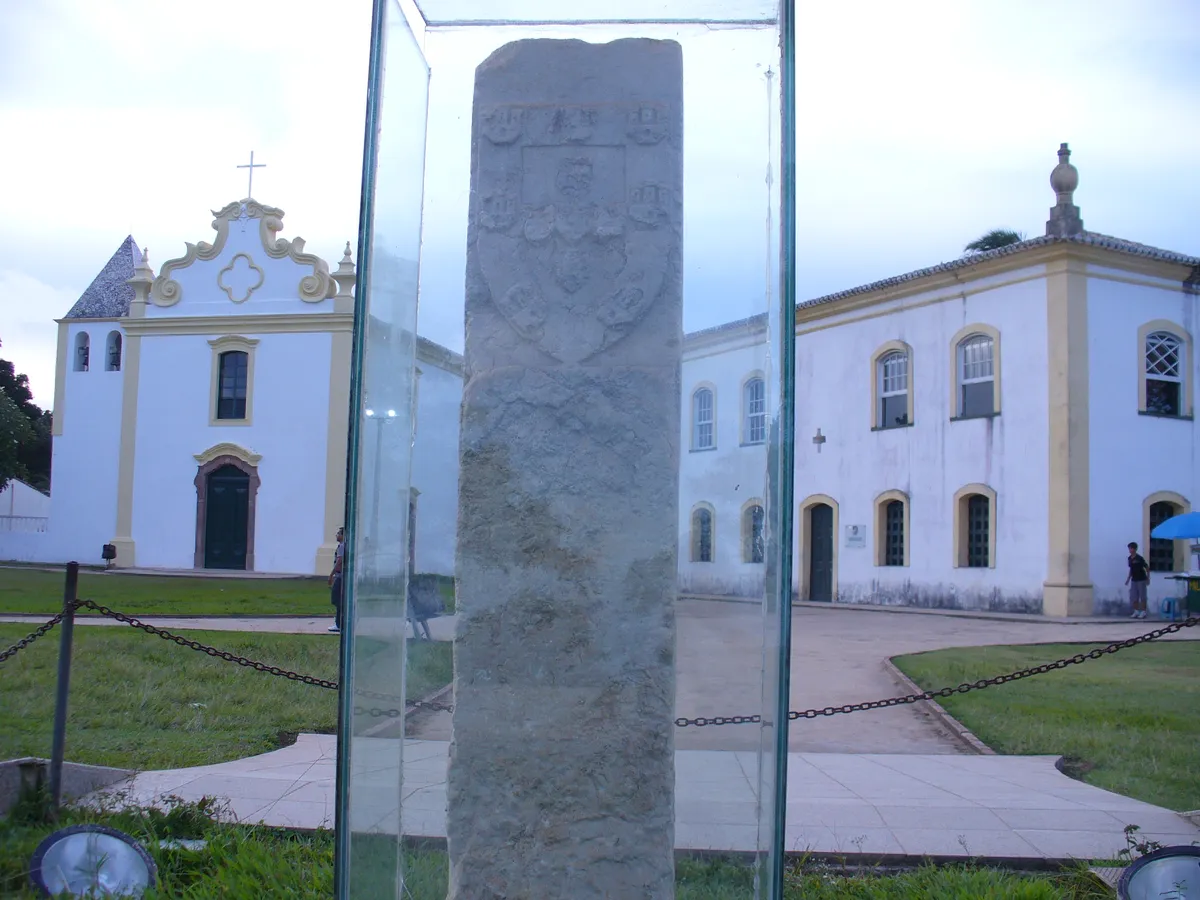
Porto Seguro. This is where Pedro Álvares Cabral and the Portuguese landed in 1500, according to Wikipedia, and the town is split into five districts, including Arraial d'Ajuda, Trancoso and Caraíva. It is a beach trip with some history, and June is mild at 26 °C (79 °F) by day, though with rain on the chart. The history is in the Historic City (Cidade Histórica), where the Marco do Descobrimento stands under glass: a block of lioz stone about 1.5 meters tall, carved with the arms of Portugal and the Cross of the Order of Christ, which Wikipedia's Portuguese page attributes to Duarte Coelho, who placed markers like it from 1503. For Salvador itself, including how to get to the stadium by metro, see our Salvador guide for World Cup fans.
Which trips need a flight and a few extra days?
These are the destinations I would build a whole trip around, not squeeze in between two matches.
- Jericoacoara, from Fortaleza. A village in the northernmost municipality of Ceará, with a national park and an airport that opened in 2017. Wikivoyage's road figures are from around 2016, so treat the five to seven hours as a rough guide and check today's transfers.
- Lençóis Maranhenses, from Fortaleza. White dunes with blue and green lagoons between them. The base is Barreirinhas, and Wikivoyage says most visitors sleep there and take day trips. The season matters: it is a destination for May to September.
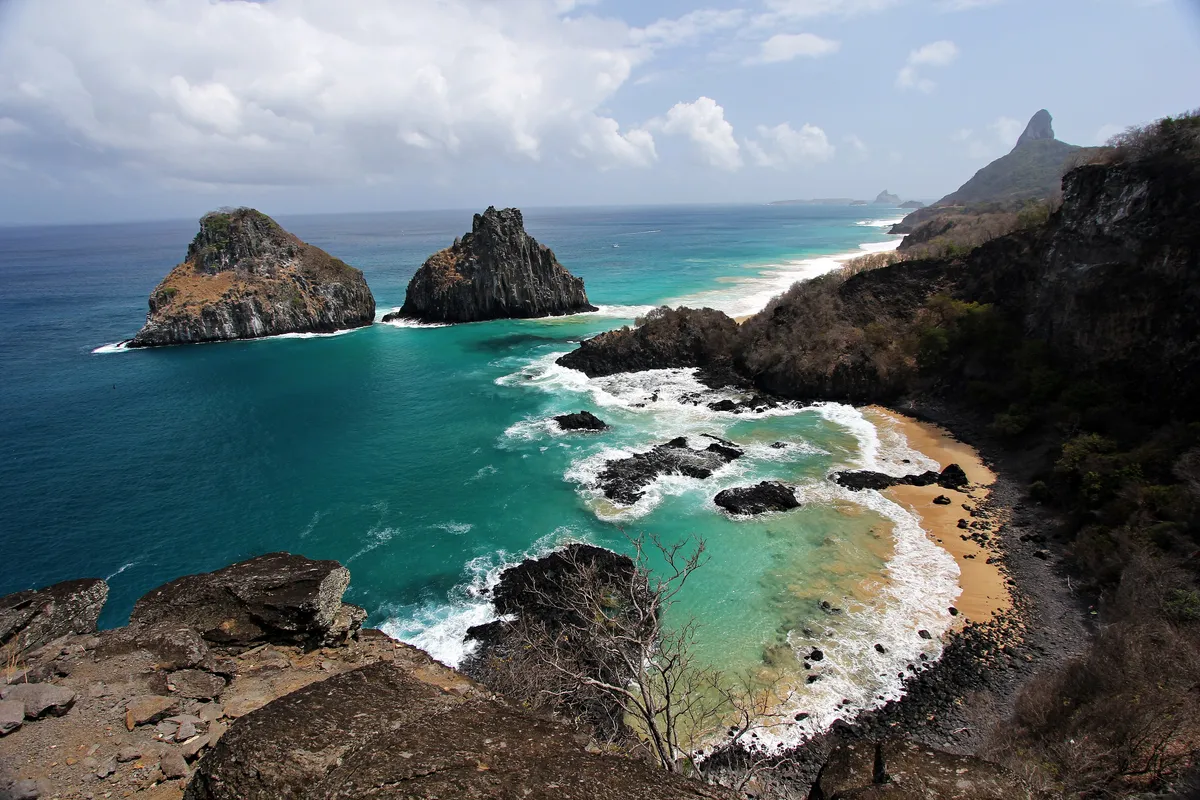
- Fernando de Noronha, from Recife. An island chain 354 km off the Brazilian coast, listed by UNESCO in 2001 as the Brazilian Atlantic Islands: Fernando de Noronha and Atol das Rocas Reserves. Most visitors fly, and there are visitor limits and an environmental fee, so the current figures will come from the official site in the guide.
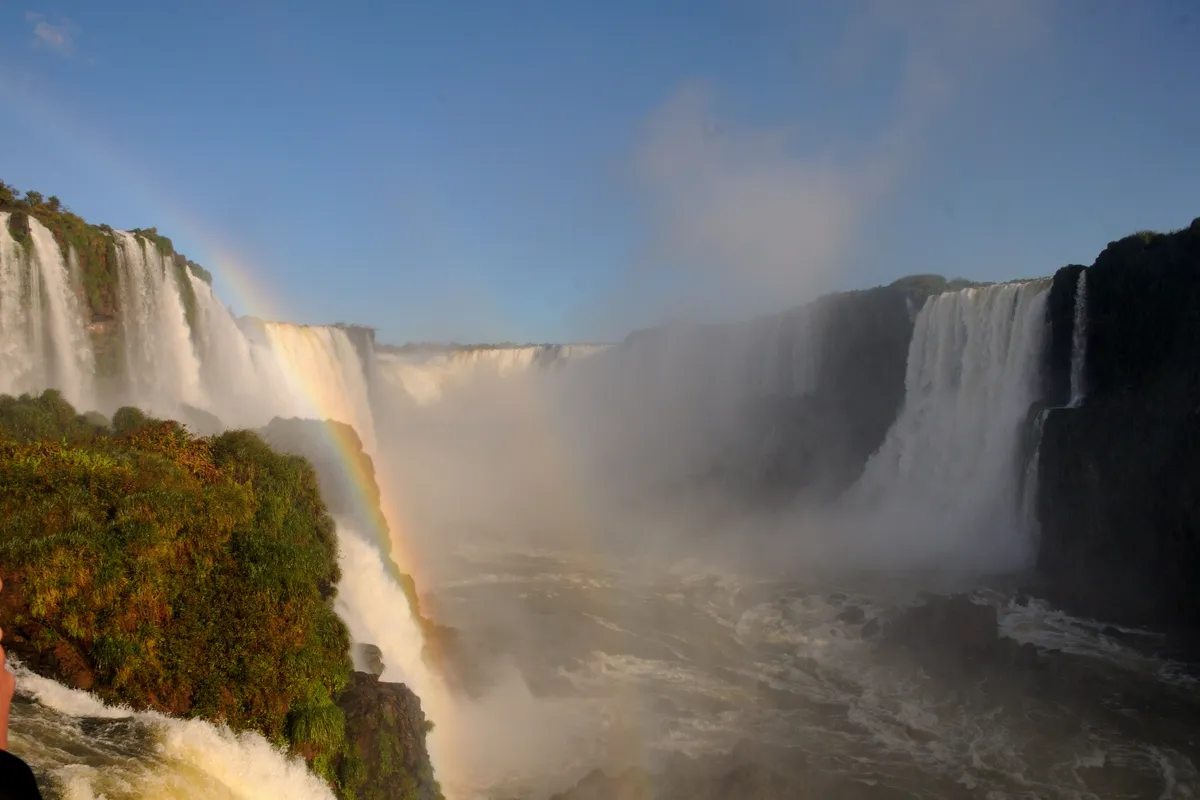
- Foz do Iguaçu, from Porto Alegre or São Paulo. The falls sit on the Argentina–Brazil border, with part on each side. The city also has Itaipu, the world's second-largest hydroelectric plant by power generation, and the Triple Frontier where Brazil, Argentina and Paraguay meet. Crossing to another country means that country's entry rules, which I will cover in its guide.
- The Amazon, from Manaus. Boats leave Manaus for the Meeting of the Waters, where the black Negro River and the brown Solimões run side by side for about 9 km without mixing, and the Amazonas Opera House dates from 1896. The CDC gives yellow fever advice by area, so read the health section of our travel guide before you plan the Amazon.
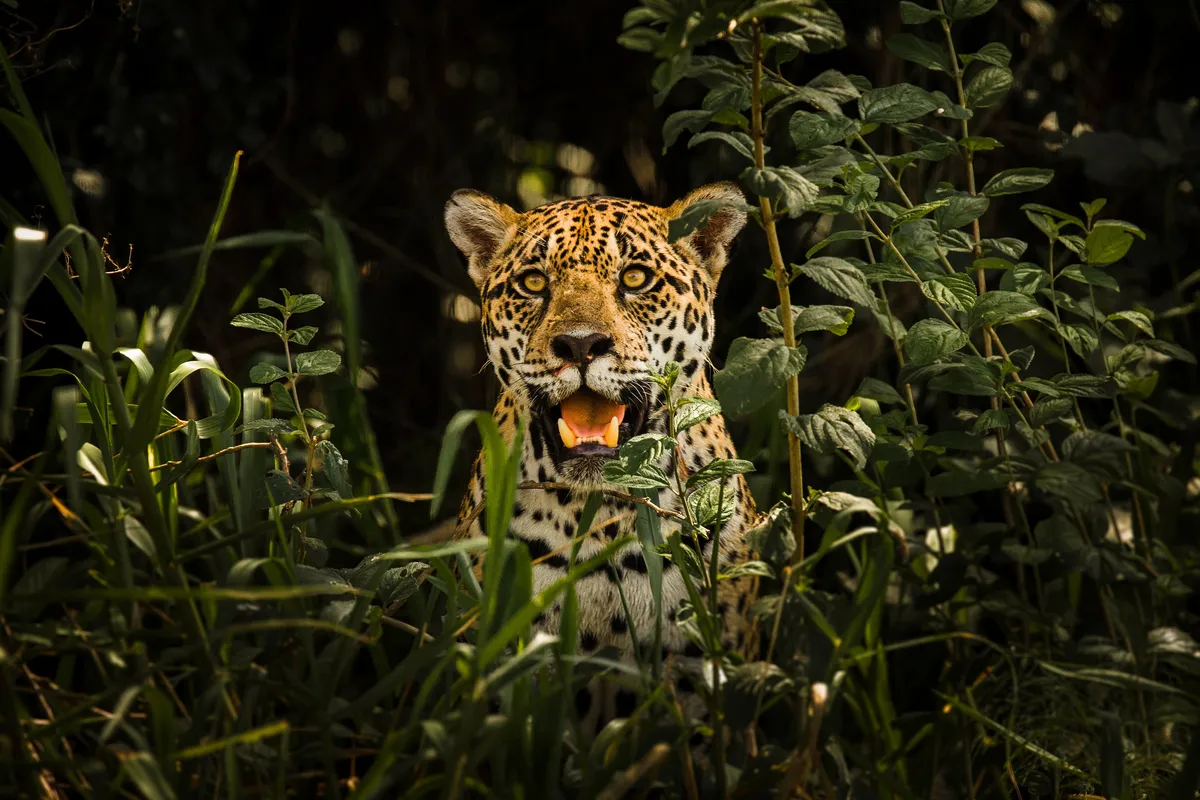
- The Pantanal. The world's largest tropical wetland, mostly in Mato Grosso do Sul, with part in Mato Grosso, a UNESCO site since 2000 and home to one of the largest jaguar populations on Earth, according to Wikipedia. It is drier in June than in any other month, which makes it a winter trip.
What should you check before you book?
Four things come before any side trip:
- Your match dates. Kick-off times and the teams are not known until the draw on December 11, 2026. If you follow one team, wait for it. Our guide to the qualified teams shows who is in so far.
- Tickets. They are not on sale yet, and the official channel is FIFA's. See the ticket guide before you pay anyone.
- Entry rules. U.S. citizens need an e-visa, and the visa guide says when to apply. The visa covers all of Brazil, so it does not change with the side trip.
- Safety. The State Department's advice for Brazil covers more than the host cities. Read the safety section of our travel guide, then check the advisory itself for the region you choose.
I do not quote flight or hotel prices here. I have no 2027 price data, and fares will move once the schedule is final. If you decide early, book fares you can change.
What will be updated?
I am writing one guide for each destination on this list, with how to get there from the host city, the weather and what the official pages say. This page will link to each one as it goes up. It will also change after the December 11 draw, when the teams and match times are known. You can read who writes these guides on the About page, and how we check sources on How we write. More trip guides are in Brazil Fan Travel.
Frequently asked questions
Which destinations are easiest to visit from the 2027 Women's World Cup host cities?
Búzios and Paraty from Rio de Janeiro, Gramado and Canela from Porto Alegre, João Pessoa from Recife, and Chapada Diamantina or Porto Seguro from Salvador. Straight-line distances run from 50 miles (Gramado) to 243 miles (Porto Seguro), and the roads are longer.
Is it beach weather in Brazil in June and July?
It is warm on the Northeast coast, but wet. João Pessoa has highs near 29 °C (85 °F), with June its rainiest month at about 369 mm, and Porto Seguro has about 26 °C (79 °F) with about 151 mm in June. Manaus is hot and drier in July. The South is cool.
Is Jericoacoara worth visiting in the Brazilian winter?
Yes. I have been there in winter: it is not as hot as in summer, but there is sun and warmth, as in the whole Northeast. Fortaleza, on the same coast, has June highs near 30 to 31 °C (87 °F) and rain on about 10 days in June and 7 in July, according to the weather table in our travel guide.
Can you visit Gramado in the Brazilian winter?
Yes, and it is the coldest destination on this list. June highs are about 16.7 °C (62 °F) and lows about 7.7 °C (46 °F), according to the climate table on Wikipedia, and temperatures sometimes fall below 0 °C (32 °F), with heavy frosts and occasional snow. Gramado is about 50 miles in a straight line from Porto Alegre.
When can you see whales in Santa Catarina?
The southern right whale season on the Santa Catarina coast runs from July to November, according to a July 2026 report, and watching is done mainly from land. Garopaba and Imbituba are two of the towns named for it.
When are the Lençóis Maranhenses lagoons full?
Wikivoyage says the best time to visit is between May and September, after the rains have filled the valleys between the dunes and before the lakes dry out. Barreirinhas is the base town for visits.
How far is Chapada Diamantina from Salvador?
Lençóis is about 420 km from Salvador by road. The Zapay travel blog (August 2025) lists a bus of about seven hours, six to seven hours by car, and Azul flights that are not daily, so check the schedule ahead of time.
How do you get to Fernando de Noronha?
Most visitors fly. Wikipedia says the airport has daily flights from Recife and Natal, and Wikivoyage lists 1 hour 40 minutes from Recife. The islands are 354 km off the Brazilian coast, and visitor limits and an environmental fee apply.
Is the Amazon dry in July?
Drier than in June. Manaus averages about 117 mm of rain in June and about 67 mm in July, and Wikipedia says July to September is relatively dry. It is also hot, with July highs near 32.5 °C (91 °F).
Sources
- Wikipedia: Búzios (distance from Rio, beaches, drive time, climate), read Oct. 27, 2026
- Wikipedia: Paraty (distance from Rio, UNESCO listing), read Oct. 27, 2026
- Wikipedia: Chapada Diamantina National Park (size, municipalities, Pico do Barbado), read Oct. 27, 2026
- Wikivoyage: Chapada Diamantina National Park (Cachoeira da Fumaça), read Oct. 27, 2026
- Zapay: Como chegar na Chapada Diamantina (Aug. 18, 2025; distance, bus, car and flight from Salvador), read Oct. 27, 2026
- Wikipedia: Porto Seguro (airport, history, districts, climate chart), read Oct. 27, 2026
- Wikipedia (Portuguese): Marco do Descobrimento (Porto Seguro: material, size, carvings, attribution), read Oct. 27, 2026
- Wikipedia: João Pessoa, Paraíba (Ponta do Seixas, beaches, airport, climate), read Oct. 27, 2026
- Wikipedia: Fernando de Noronha (distance from the coast, flights, UNESCO listing, climate), read Oct. 27, 2026
- Wikivoyage: Fernando de Noronha (flight time from Recife), read Oct. 27, 2026
- Wikipedia: Jericoacoara (location, airport opened in 2017), read Oct. 27, 2026
- Wikivoyage: Jericoacoara (road access from Fortaleza; figures from about 2016), read Oct. 27, 2026
- Wikivoyage: Lençóis Maranhenses National Park (gateways, best months), read Oct. 27, 2026
- Wikipedia: Gramado (airport, winter climate, climate table), read Oct. 27, 2026
- Itatiaia: Área de Proteção Ambiental combina praias, trilhas e observação de baleias em SC (July 19, 2026), read Oct. 27, 2026
- Wikipedia: Foz do Iguaçu (falls, Itaipu, Triple Frontier, airport, climate), read Oct. 27, 2026
- Wikipedia: Manaus (access, Meeting of the Waters, Teatro Amazonas, climate), read Oct. 27, 2026
- Wikipedia: Pantanal (size, UNESCO listing, rainy season, jaguars), read Oct. 27, 2026

Founder and editor, WoSo Arena
I live in Salvador, Brazil, one of the eight host cities of the 2027 Women's World Cup, and I spent five years in the United States, where girls' and women's games filled the parks and school fields of Los Angeles. Every article starts from official sources, listed at the end.