World Cup 2027
Women's World Cup Records: Goals, Titles and Firsts From 1991 to 2023
Quick answer
Marta of Brazil holds the Women's World Cup goals record with 17, and Michelle Akers of the United States scored the most in one tournament, 10 in 1991. The United States have won the most titles, four of nine, and the biggest win is their 13-0 over Thailand in 2019. Formiga played the most World Cups, seven, and 2023 set the attendance and goals records.
On this page
- Who has scored the most goals in Women's World Cup history?
- Which team has won the most Women's World Cup titles and matches?
- Who has played in the most Women's World Cups?
- What are the attendance and tournament records?
- What are the biggest firsts in Women's World Cup history?
- Which records could fall at the 2027 World Cup in Brazil?
- FAQ
- Sources
Nine Women's World Cups have produced a long list of numbers, and a handful of them look very hard to beat. One player has scored more World Cup goals than any man or woman. One team has won four of the nine titles. A single match ended 13-0.
Here are the records that matter, grouped by goals, teams, players and crowds, with the source for each figure at the end of the page. I also add a short section on the ones that could fall when the tournament reaches Brazil in 2027.
Who has scored the most goals in Women's World Cup history?
Marta, with 17. The Brazilian forward scored 3 goals at the 2003 tournament, 7 in 2007, 4 in 2011, 1 in 2015 and 2 in 2019. FIFA says she passed Germany's Birgit Prinz with a penalty against South Korea in 2015, then went past Miroslav Klose with a penalty against Italy in 2019. Klose had held the men's World Cup record of 16 since 2014, so Marta's 17 is the most for any player at either tournament.
No one added to the total in 2023. Marta played in her sixth World Cup, and her 17 goals stood.
| Record | Holder | Figure |
|---|---|---|
| Most goals in a career | Marta (Brazil), 2003 to 2019 | 17 |
| Most goals in one tournament | Michelle Akers (USA), 1991 | 10 |
| Most goals in one match | Michelle Akers (1991) and Alex Morgan (2019), both for the USA | 5 |
| Most goals in a final | Carli Lloyd (USA), 2015, first hat-trick in a final | 3 in 16 minutes |
| Fewest goals by a Golden Boot winner | Homare Sawa (Japan), 2011, and Hinata Miyazawa (Japan), 2023 | 5 |
| Oldest player with a hat-trick | Cristiane (Brazil), 2019, against Jamaica | Aged 34 |
The main scoring records at the Women's World Cup. Source: FIFA's articles on the tournament's top scorers, Marta and the 2019 final stage (see Sources).
Akers's ten goals came at China 1991, and five of them arrived in a 7-0 quarter-final win over Chinese Taipei, and she then scored both goals in the 2-1 final against Norway. FIFA notes she finished three clear of Germany's Heidi Mohr, and that no one has matched her tournament total since.
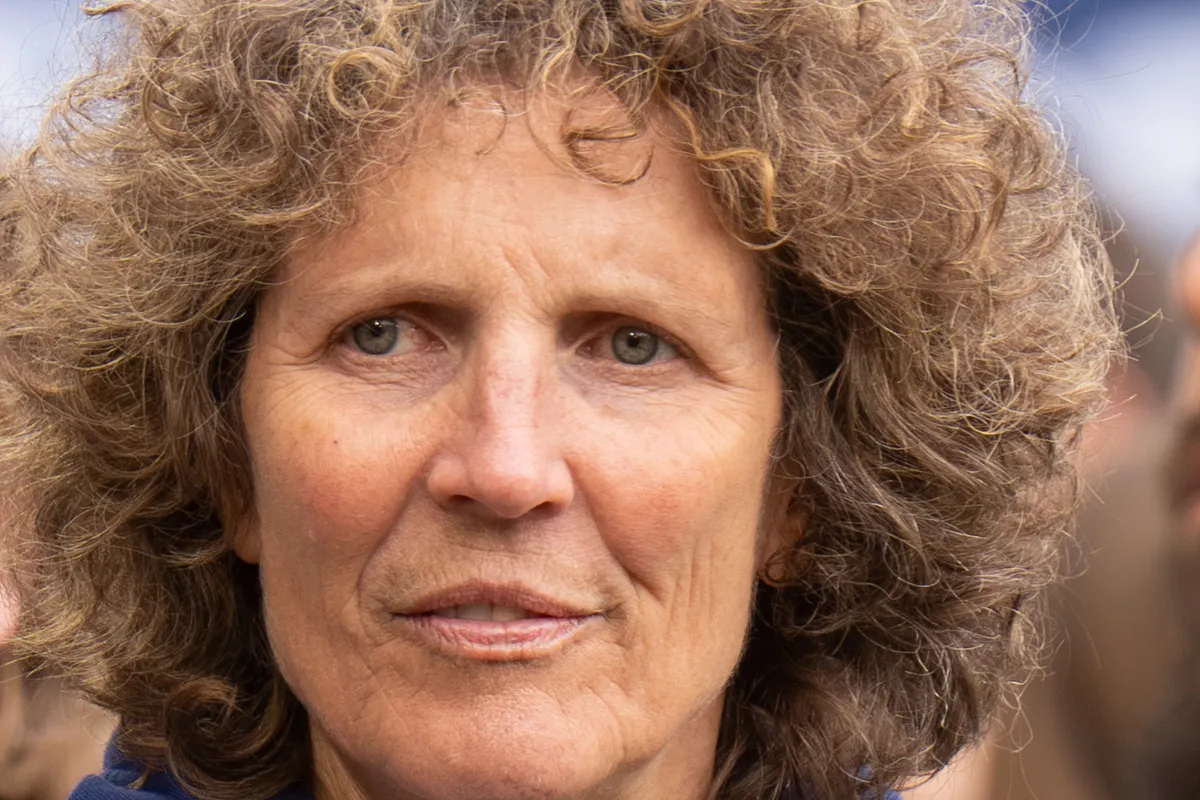
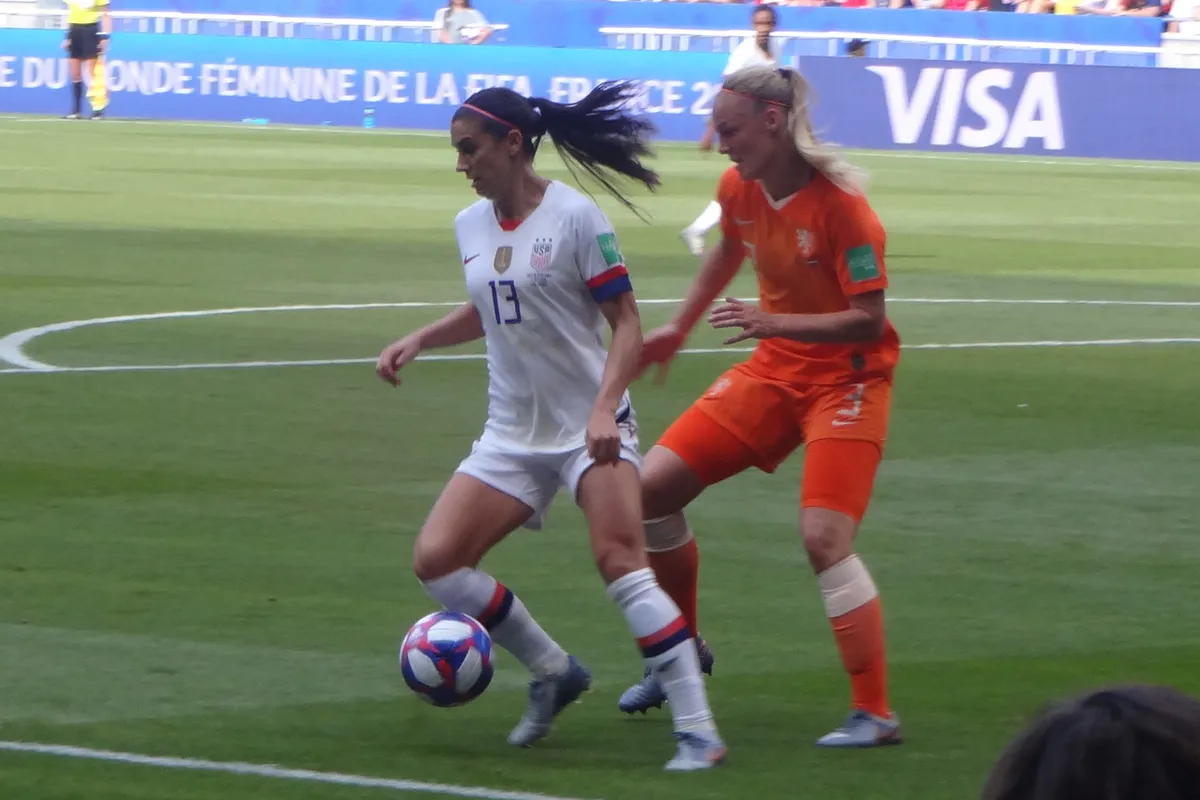
The only player to equal her single-match mark is Alex Morgan, who scored five in the United States' 13-0 win over Thailand in Reims on June 11, 2019. That score is the biggest margin in the tournament's history, according to FIFA.
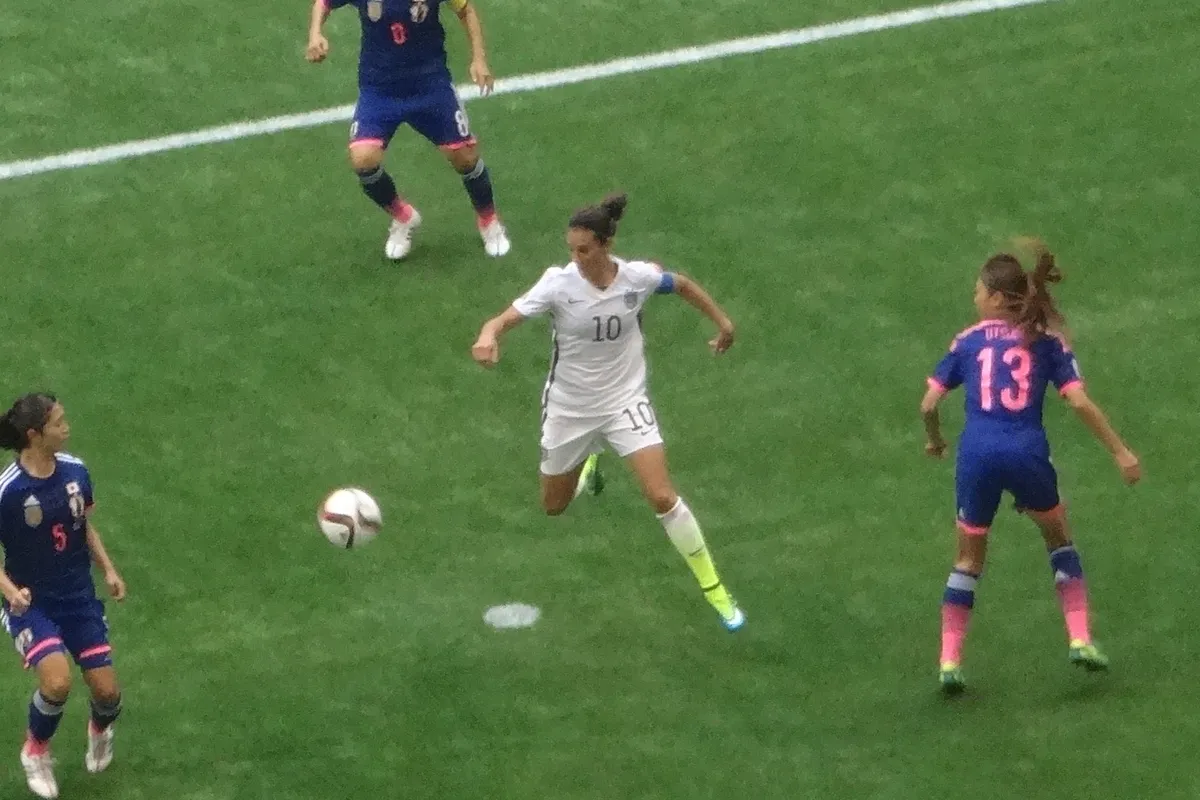
The final has its own record. In the 2015 final in Vancouver, Carli Lloyd scored three times in the first 16 minutes against Japan, the first hat-trick in a Women's World Cup final, and the United States won 5-2. FIFA says her third goal was a lob from near the halfway line.
Which team has won the most Women's World Cup titles and matches?
The United States, and by a wide margin. They have four of the nine titles, the last two in 2015 and 2019. Germany won two, and three other nations (Norway, Japan and Spain) won one each. In the nine tournaments so far, FIFA's records show the Americans playing 54 matches with 41 wins, 9 draws and 4 losses, and their 13 straight wins from 2015 to 2023 are the longest winning run on FIFA's list.
| Nation | Wins | Matches | Record (W-D-L) |
|---|---|---|---|
| United States | 41 | 54 | 41-9-4 |
| Germany | 31 | 47 | 31-6-10 |
| Sweden | 28 | 47 | 28-6-13 |
| Norway | 25 | 44 | 25-5-14 |
| Brazil | 21 | 37 | 21-5-11 |
The five nations with the most Women's World Cup wins. Source: FIFA, "Teams with the most Women's World Cup victories."
Brazil sit fifth on that list with 21 wins, and they are the only team in the top five besides Sweden without a title. For the full story of every winner and final, see my guide to Women's World Cup winners since 1991.
Two more team records are worth knowing. The United States scored 26 goals at France 2019, the most by any team in one tournament, according to Wikipedia's records page. And 2023 was the first final without Germany or the United States, which FIFA pointed out before Spain beat England.
Who has played in the most Women's World Cups?
Formiga, with seven. The Brazilian midfielder played in every tournament from 1995 to 2019, and FIFA says she is the only player of either gender to take part in seven World Cups. Marta, Japan's Homare Sawa, Canada's Christine Sinclair and Nigeria's Onome Ebi have each played in six.
For most matches, the record is Kristine Lilly's 30 for the United States, then Formiga with 27 and Abby Wambach and Carli Lloyd with 25 each, in FIFA's list published just before the 2023 tournament. Lilly played in five editions from 1991 to 2007, and she stayed on top of that list.
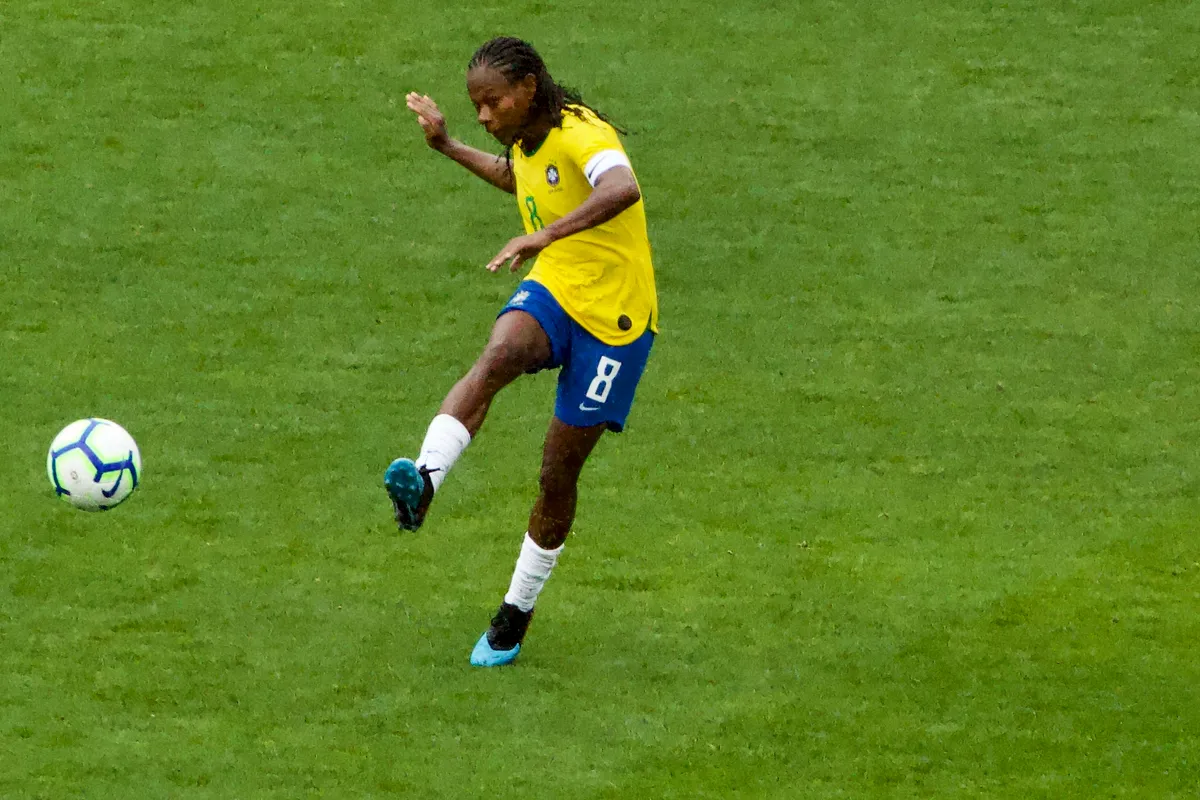
Age records belong to Brazil as well. Formiga is the oldest player in the history of the tournament: she was 41 years and 112 days old against France on June 23, 2019, according to Wikipedia's records page. The oldest player in a final is the American Christie Rampone, who was 40 years and 11 days old in 2015, and FIFA noted that Formiga outranked her four years later. At the other end, South Korea's Casey Phair was 16 years and 26 days old in her team's match against Colombia in 2023, the youngest player in the tournament's history, according to the same page.
Marta and Sinclair share one more mark: they are the only two players who have scored at five different World Cups, according to FIFA, and neither scored in 2023.
What are the attendance and tournament records?
Almost all of them were set in 2023. Australia and New Zealand drew 1,978,274 fans, the most ever, and it was the first edition played by 32 teams in 64 matches, with eight debutants. The 164 goals were also a record, passing the old mark of 146 from 2015 and 2019. FIFA counted the 1,000th goal in World Cup history in that tournament too, scored by Zambia's Barbra Banda against Costa Rica.
The biggest crowd of that tournament filled Stadium Australia in Sydney, 75,784 for the opening match of the Matildas against the Republic of Ireland, the highest attendance at a Women's World Cup in 24 years at that point. The final was played in the same stadium, in front of the same number of fans.
The record for a single final is older. The 1999 final drew 90,185 people to the Rose Bowl in Pasadena, and it needed a penalty shoot-out to separate the United States and China. The numbers on the screen have grown too: FIFA reports 1.12 billion viewers for the 2019 tournament and a live average of 82.18 million for the 2019 final, and in the United Kingdom the 2023 final averaged 13.21 million viewers, the biggest Women's World Cup audience on record there.
What are the biggest firsts in Women's World Cup history?
These are the ones I would pick, in order:
- 1991: the first Women's World Cup, in China, with 12 teams. The United States were the first champions.
- 2003 and 2007: Germany became the first nation to win two in a row, and the United States matched them in 2015 and 2019.
- 2015: Carli Lloyd scored the first hat-trick in a final.
- 2019: Marta and Sinclair became the only players to score at five different World Cups, and Marta passed Klose for the all-time World Cup lead across both tournaments.
- 2023: the first Women's World Cup in two countries, and the first without Germany or the United States in the final. Hinata Miyazawa was the first Golden Boot winner whose team did not reach the semi-finals.
- 2027: the first Women's World Cup in South America.
Of the nine host nations so far, only the United States in 1999 went on to win, according to Wikipedia's records page. That is the line to watch in Brazil, who have never lifted the trophy and reached one final, in 2007.
Which records could fall at the 2027 World Cup in Brazil?
A few, in my read, and one depends on a decision Brazil have not made yet.
- Oldest player: Marta was born on February 19, 1986. If she plays in 2027, she would be 41 years and 125 days old on June 24, by my count, which is 13 days older than Formiga on the day she set the record. Whether Marta is in the squad is not decided, and I follow it in my guide to Brazil's team for 2027.
- Attendance: FIFA has not put tickets on sale yet, so there is no number to compare. My guide to how to get tickets has what FIFA has published so far, and the schedule guide lists the eight stadiums.
- Back to back: Spain, the 2023 champions, would be the third country to win two in a row after Germany and the United States. The teams that could stop them are in my favorites guide.
- Hosts and the title: Brazil would be the second host to win the title after the United States in 1999.
The goals records look safer to me. Marta's 17 and Akers's ten would need a very special tournament, and the 13-0 needs a mismatch that a seven-game tournament rarely gives. If you want to see the qualified teams, read my guide to who has qualified, and for the American side, the USWNT's road to Brazil. In the U.S., every match is on Netflix, as I explain in how to watch the 2027 Women's World Cup.
Frequently asked questions
Who is the all-time top scorer in Women's World Cup history?
Marta of Brazil, with 17 goals from 2003 to 2019. FIFA says she passed Germany's Birgit Prinz in 2015 and Miroslav Klose in 2019, which made her the top scorer in any World Cup, men's or women's.
Who scored the most goals in a single Women's World Cup?
Michelle Akers of the United States, with 10 goals at the very first edition, in 1991. Five of them came in one match, a 7-0 win over Chinese Taipei.
What is the biggest win in Women's World Cup history?
The United States beat Thailand 13-0 on June 11, 2019, in Reims. FIFA calls it the tournament record. Alex Morgan scored five goals in the match.
Which team has the most Women's World Cup wins in total?
The United States have 41 wins in 54 matches, according to FIFA, and four of the nine titles. Germany are second with 31 wins, then Sweden with 28, Norway with 25 and Brazil with 21.
Who has played in the most Women's World Cups?
Formiga of Brazil played in seven, from 1995 to 2019, the only player of either gender to do so, according to FIFA. Marta, Homare Sawa, Christine Sinclair and Onome Ebi have played in six.
How many people watched the biggest Women's World Cup final in the stadium?
The 1999 final drew 90,185 people to the Rose Bowl in California, the largest final crowd. The 2023 final, in Sydney, followed with 75,784.
Has a host nation ever won the Women's World Cup?
Once, the United States in 1999. Brazil, who host the 2027 tournament, have reached one final, in 2007, and have never won.
Sources
- FIFA: Every FIFA Women's World Cup top scorer (Mar. 8, 2023), read Nov. 2, 2026
- FIFA: More history beckons for Marta (June 27, 2023), read Nov. 2, 2026
- FIFA: Magnificent Marta makes history (June 18, 2016)
- FIFA: Stars step up as Australia and Brazil march through (June 17, 2019)
- FIFA: Morgan dazzles on way to record books (July 11, 2019)
- FIFA: Players appearing in the most Women's World Cups, read Nov. 2, 2026
- FIFA: Lilly, Formiga and more, the all-time appearances makers (July 4, 2023), read Nov. 2, 2026
- FIFA: Teams with the most Women's World Cup victories, read Nov. 2, 2026
- FIFA: All Women's World Cup champions remembered (Aug. 17, 2023)
- FIFA: Highlights and heroines from the first seven Finals (July 3, 2019)
- FIFA: FIFA Women's World Cup 2023 tournament recap (attendance, goals, firsts), read Nov. 2, 2026
- FIFA: FIFA Women's World Cup 2023 breaks new records (July 25, 2023)
- Wikipedia: FIFA Women's World Cup records and statistics (age records, team goals record, hosts), read Nov. 2, 2026
- Wikipedia: Marta (date of birth), read Nov. 2, 2026

Founder and editor, WoSo Arena
I spent five years in the United States, where girls' and women's games filled the parks and school fields of Los Angeles. Every article starts from official sources, listed at the end.